20–30%
of heated and cooled air never reaches the room in a typical home
U.S. Department of Energy / ENERGY STAR

Utah County · Residential
Most homes leak 20–30% of conditioned air through ducts. We measure it, seal it from the inside, and show you the numbers—starting with a FREE inspection.
How the numbers work for you
Leaky ducts waste conditioned air before it reaches your rooms. ENERGY STAR estimates that a typical home loses 20% to 30% of the air moving through its duct system to leaks, holes, and poor connections—raising utility bills and making the house harder to heat and cool evenly. Properly sealed ducts help reduce that loss.
20–30%
of heated and cooled air never reaches the room in a typical home
U.S. Department of Energy / ENERGY STAR
$300–$600
extra each year for a Utah County home with moderate duct leakage
Modeled on DOE leakage rates and local heating/cooling loads
up to 95%
leakage reduction when ducts are sealed from the inside
DOE field studies of aerosol-based internal sealing
~40%
of a Utah home’s electricity can go to heating and cooling
Typical Wasatch Front load share
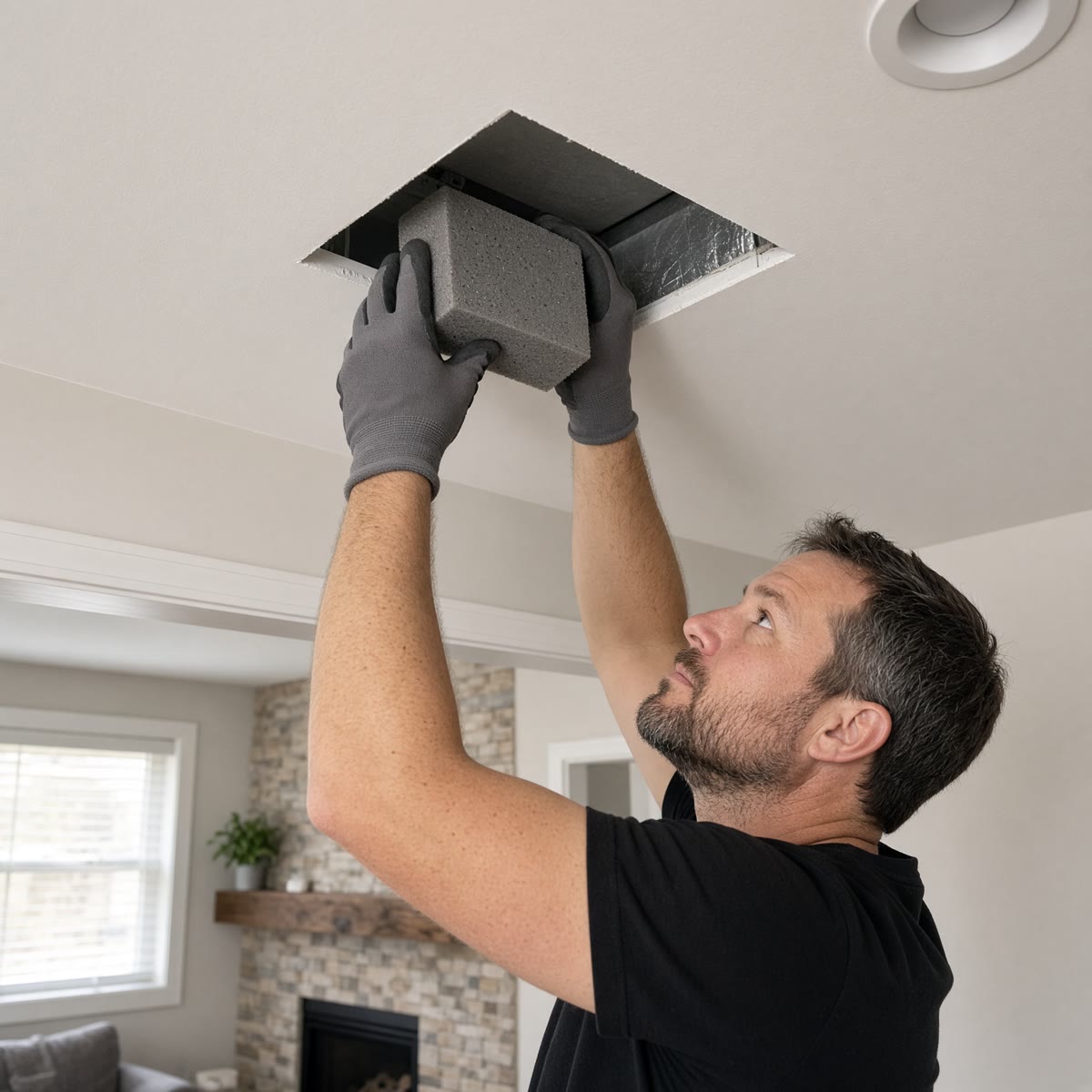
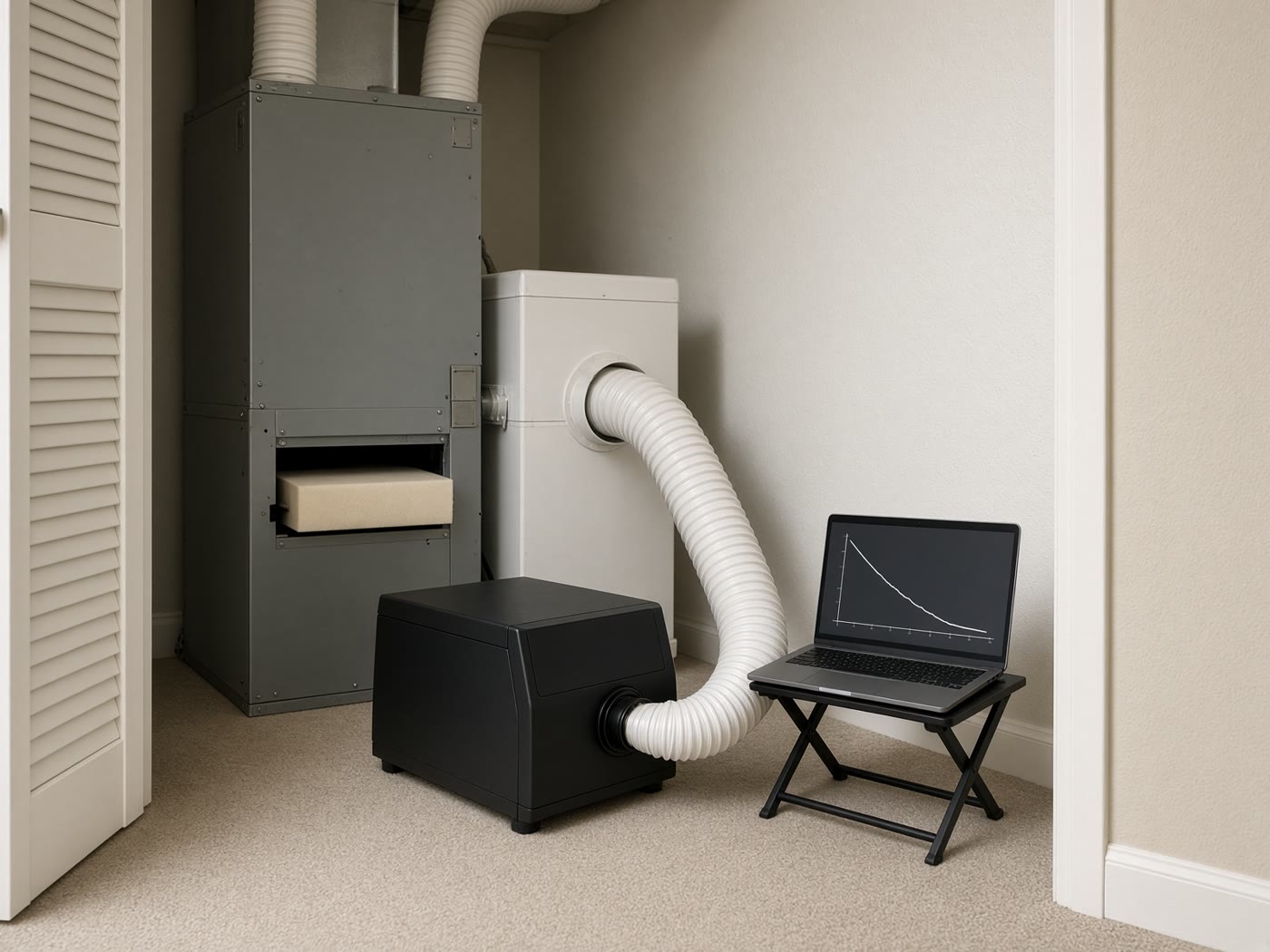
Seal from the inside. No construction necessary.
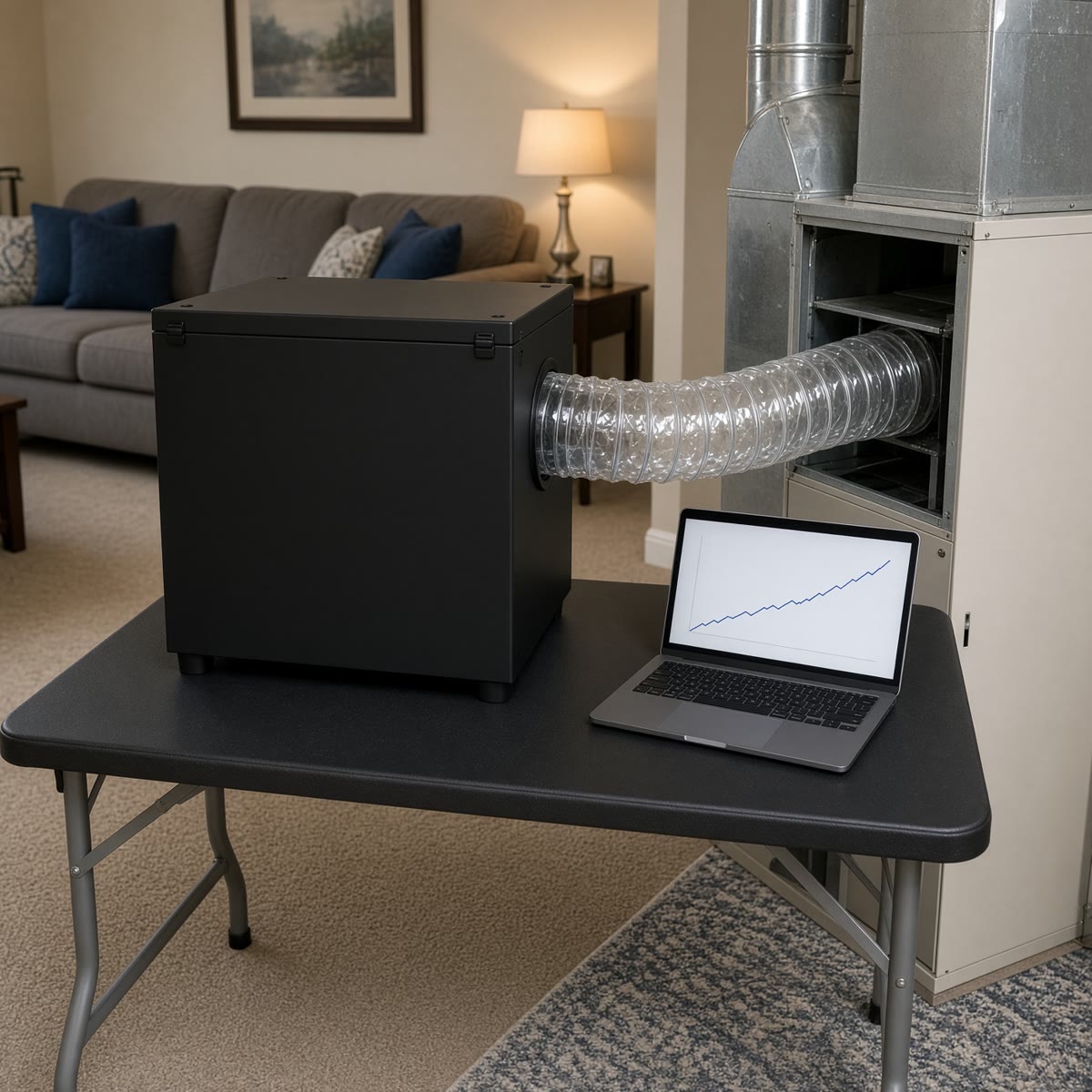
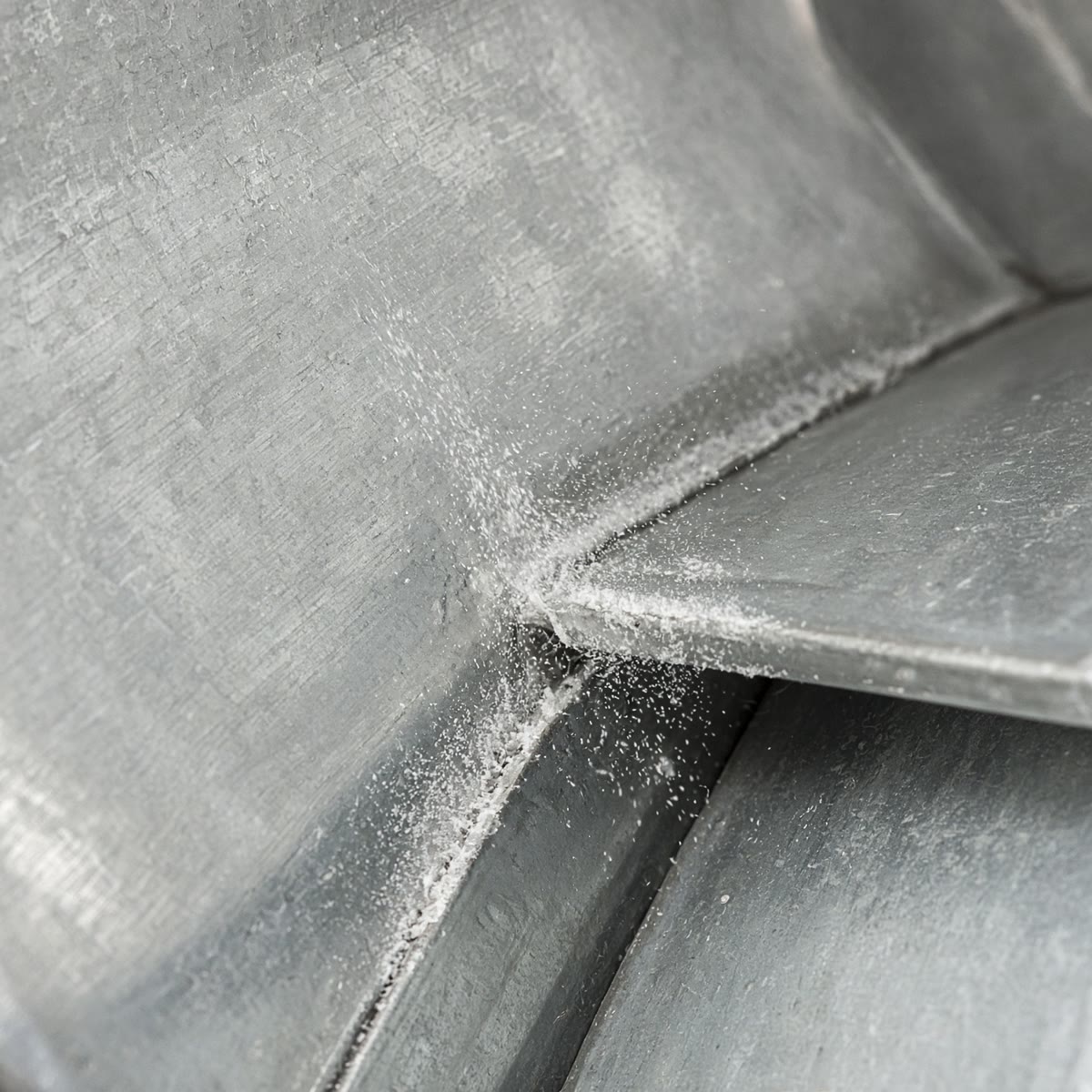
We pressurize the duct system and inject a water-based polymer glue. Particles collect on leak edges until gaps close—including joints buried in walls, connection points, and ducting leading to vents. No drywall demo. A computer tracks leakage in real time so the job ends with a verified report, not a guess.
01
We check the entire system by measuring vent outputs and inspecting your HVAC unit, looking for gaps, untaped joints and leaks.
02
A pressurized leakage test puts a real number on how much air is escaping—before anything is sealed, you will see how much air you are losing.
03
We start with a professional air duct cleaning, then a polymer aerosol is blown through the pressurized ducts. It finds leaks from the inside, including joints you cannot reach with tape, and seals them with a lifetime warranty.
04
A second test is performed showing you the before-and-after results that you can use to submit and get your Rocky Mountain Power rebate!
Leaky ducts make the furnace and air conditioner run longer to reach the thermostat. That extra strain wears the unit out sooner. Sealing the leaks shortens run times, so the equipment in your home works less and lasts longer. It also stops attic dust and insulation fibers from being pulled into the air you breathe.
Get the leakage number
Instead of crawling every joist with mastic, we pressurize the duct system and inject a water-based polymer fog. Particles stack on leak edges until holes up to about ⅝ inch are closed. Hidden runs in walls and attics get sealed without opening drywall.
No. Cleaning removes debris. Sealing stops conditioned air from leaking into attics, garages, and crawlspaces—and stops dusty air from being pulled back in. Many homes need both, but the free inspection tells you which one first.
Summer attics here routinely exceed 120°F. Winter nights drop well below freezing. Ducts in unconditioned space leak the air you just paid to condition. ENERGY STAR estimates typical homes lose 20–30% of that air. High desert dust also rides return leaks straight into living rooms.
Yes. New equipment still pushes air through the old leaks. Sealing often makes a new system feel like the upgrade you paid for—shorter run times, more even rooms, quieter operation.
Most residential systems are tested and sealed in a few hours. You can stay home. Registers are temporarily blocked during the seal, then returned.
Rocky Mountain Power and Dominion Energy have offered efficiency rebates for qualifying duct sealing at various times. We document leakage tests so you can apply when a program is open. Rebates change—your inspection includes a current check.
We test how the system is actually running, show you potential issues and only recommend sealing if we can help your home.
Start the form